

From one prison to seven countries
Tren de Aragua consolidated inside the Tocorón prison in Venezuela, where for years it operated with near-total autonomy under the leadership of Héctor Guerrero Flores, alias "Niño Guerrero". From there, its expansion followed the route of Venezuelan migration: first to Colombia, then to Peru, Ecuador, Chile, Bolivia and Brazil. Today it is identified in at least seven South American countries and in the United States and Spain.
In Peru, its networks have spread through Tacna, Arequipa, Lima, La Libertad — including Trujillo and Pataz — and Lambayeque. In Chile, the faction was led from 2018 by Larry Álvarez, alias "Larry Changa", who fled to Colombia in 2022 and from there continued to run the Chilean operations and plan the Colombian expansion. The case illustrates the group's central trait: it does not need its leader on the ground to operate there.
The franchise model
Unlike a hierarchical cartel, Tren de Aragua works as a brand that local cells adopt. Some are directly tied to the original structure; others imitate it. The result is what Chilean researchers have called the "ghost effect": the brand appears in crimes where the group has no real presence, because the name alone intimidates and because attributing a crime to it is easier than investigating it. For the analyst, this forces a distinction between three things that are often confused: the organisation, its franchises and the opportunistic use of its name.
- Extortion of migrants: charging fellow Venezuelans for "protection", for crossing borders or for working in a territory. It is the group's core business and the one that travels best with the diaspora.
- Trafficking for sexual exploitation: recruiting women, mostly migrants, with unpayable debts as the control mechanism.
- Gota a gota loans: informal credit at abusive interest with violent collection, which penetrates small commerce and the informal economy.
- Kidnapping and contract killing: to order or as a collection tool, with a level of demonstrative violence that has marked cases in Chile and Peru.
2025–2026: designation, the leader's death and succession
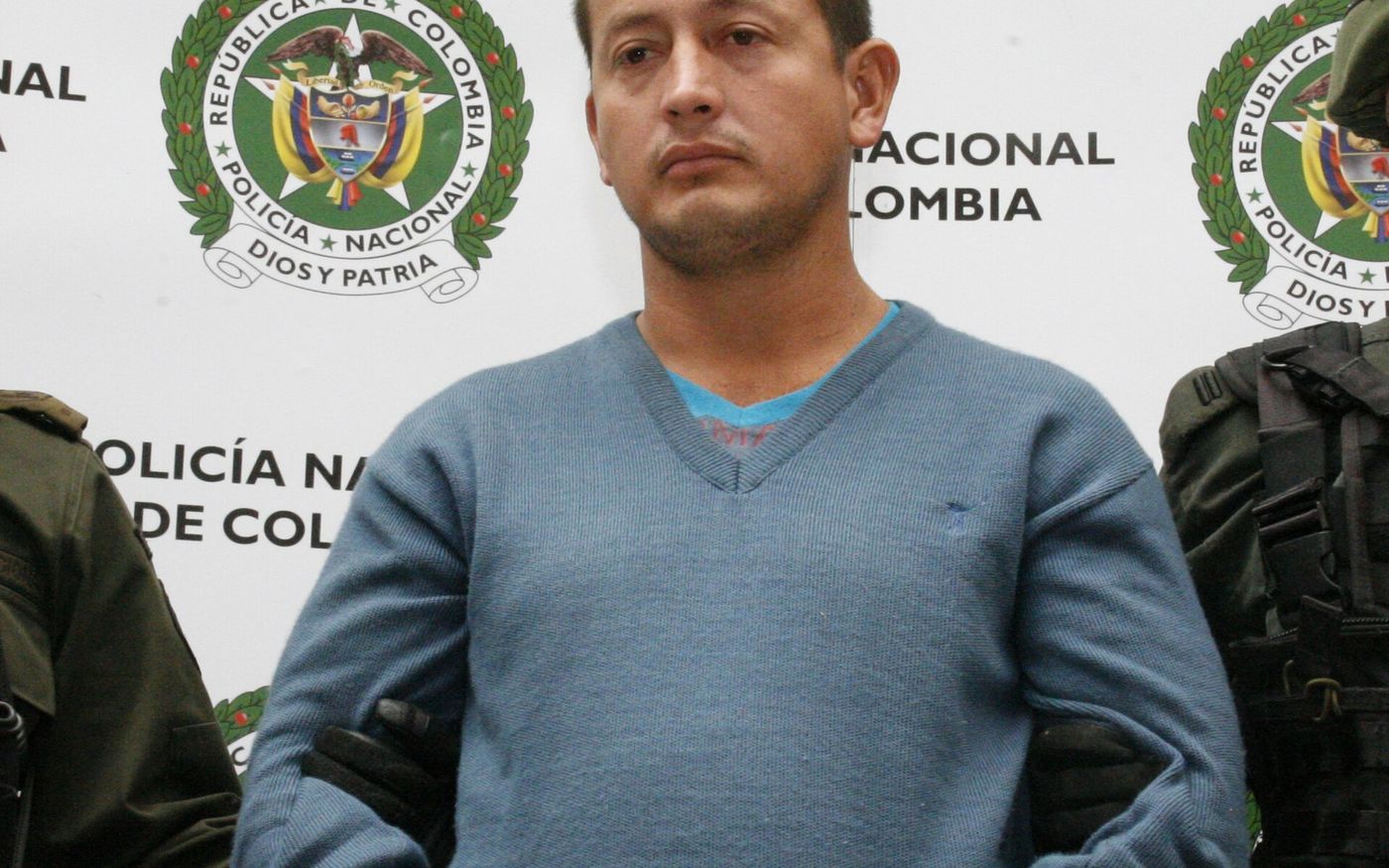
In February 2025 the United States included Tren de Aragua among foreign terrorist organisations, and Canada did the same days later. In March 2025 the US government also invoked the Alien Enemies Act against its alleged members. In June 2026, the death of Guerrero Flores left the leadership contested; among the names mentioned to succeed him is Yohan José Romero, alias "Johan Petrica". In August 2026 Colombia captured an alleged leader of the organisation. A group of franchises survives the fall of its founder; what changes is discipline among factions and, with it, the risk of internal violence.
What it means for an organisation
The most exposed companies are those employing Venezuelan migrants in numbers — construction, agribusiness, services, delivery — those operating in the street economy, and transport and logistics firms on the diaspora's routes. The exposure does not come from the worker, who is usually the victim, but from the pressure the group exerts on them: fees, debts, coercion to facilitate access or information. A trusted reporting channel for staff and a working relationship with the local police's specialised units are worth more than any physical measure.
Tren de Aragua is fought as what it is: a franchise. Closing one cell does not close the brand; cutting off the businesses that fund it does.
Sources consulted
- InSight Crime · Tren de Aragua Explained
- La República (Peru) · Tren de Aragua: how it extended its power in Peru (4 January 2026)
- Universidad Andrés Bello · Tren de Aragua in Chile: criminal expansion and the ghost effect
- Proceso · Colombia captures an alleged leader of Tren de Aragua (30 August 2026)
- University of Navarra · Tren de Aragua establishes itself as a transnational group, from Chile to Canada
This analysis is prepared from public information and open sources verified as of the publication date. It does not replace a risk assessment specific to your organisation and does not constitute legal advice.