

The results, without adjectives
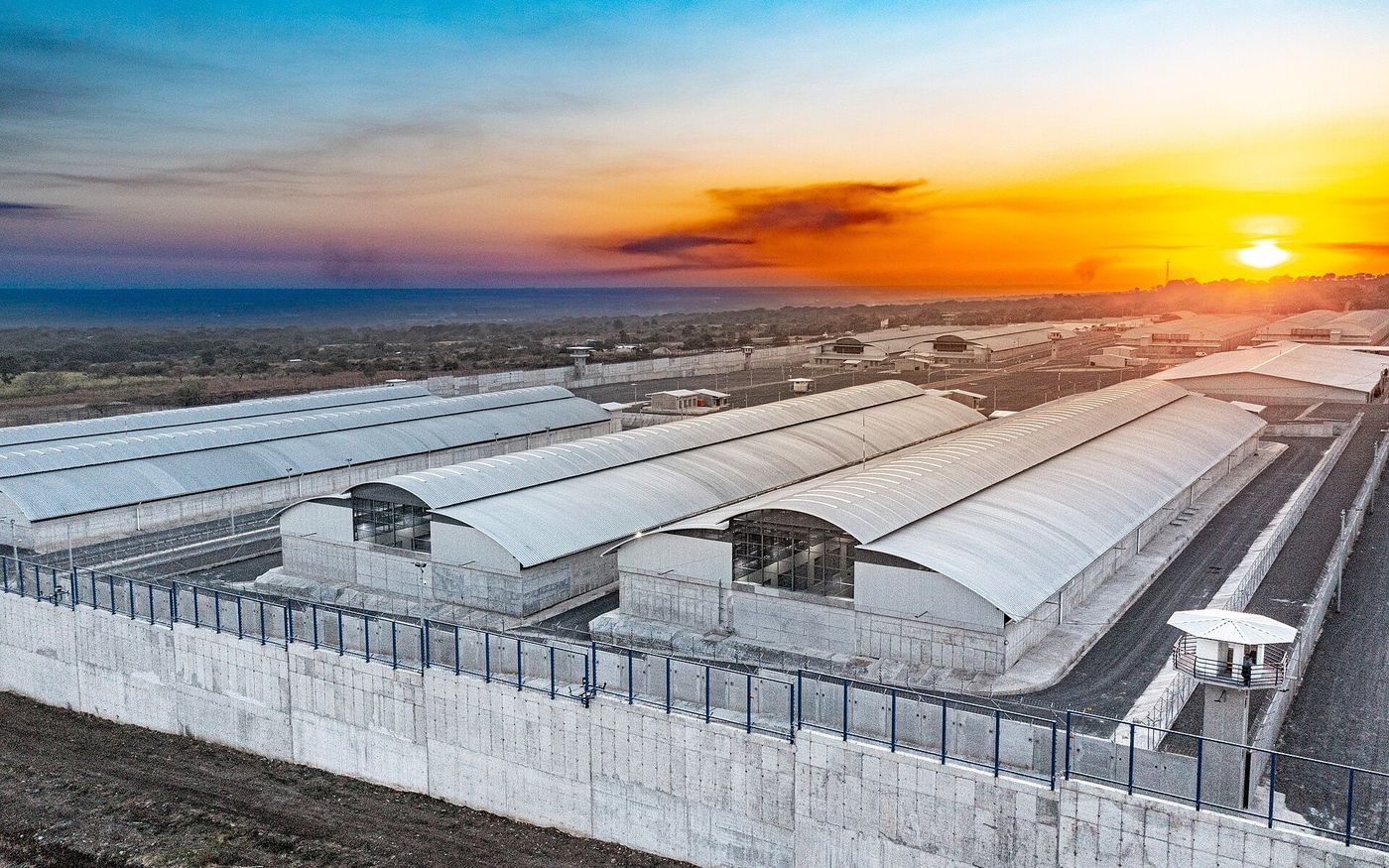
The state of exception was approved in March 2022 after a weekend with more than 80 homicides and has been extended month by month ever since. The security data are unambiguous. The homicide rate fell to 1.9 per 100,000 inhabitants in 2024 and, according to InSight Crime's round-up, to 1.3 in 2025, the lowest in Latin America. Between 1 January and 3 June 2026 there were 28 homicides, against 364 in the same period of 2022: a reduction of 92.3%. By 10 September 2026 the country had accumulated 216 days of the year without violent deaths.
The cost is documented too. More than 85,000 people were detained under the regime; human rights organisations record hundreds of deaths in state custody; Human Rights Watch describes mass detentions without guarantees in its 2026 world report, and Amnesty International warned in July 2026 that the regime could amount to crimes against humanity as a widespread and systematic attack on the civilian population.
Why it worked there
The useful question for the rest of the region is not whether the model works, but why it worked in El Salvador. Five conditions explain it, and none can be exported by decree.
- The adversary was territorial and visible. The gangs — MS-13 and Barrio 18 — controlled neighbourhoods, identified themselves with tattoos and signs, and their members lived in the communities they extorted. Mass arrest was operationally feasible.
- Their economy was local extortion, not transnational drug trafficking. Dismantling the neighbourhood structure cut off the income. A cartel moving cocaine to the United States does not depend on any neighbourhood.
- The country is small and the state centralised: six million inhabitants, a single national police force and a government in control of the legislature and the courts.
- There was a prior arrangement. Journalistic investigations and the US Department of Justice itself documented negotiations between the government and the gangs before 2022; the collapse of that pact preceded the offensive.
- There was sustained public support for accepting the suspension of guarantees, after decades in which the gangs were the main source of everyday fear.
Where it has been tried
Honduras decreed its own state of exception in December 2022 and has extended it ever since; in 2025 it still led violence in Central America with a rate of 23.2 homicides per 100,000 inhabitants. Ecuador combined states of exception with a security referendum in 2024 and closed 2025 with the most violent year in its history. In both cases the adversary is different: groups tied to transnational trafficking, with access to military-grade weapons, control of prisons and the capacity to corrupt institutions, in states with less territorial control.
What can be used
There are elements of the Salvadoran case that can be translated, and they are not the most visible ones. Regaining control of prisons, previously turned into criminal command centres. Concentrating intelligence on extortion structures, which are the point of contact between crime and the formal economy. And constant public measurement of results, which sustained public support. Each is replicable without suspending guarantees; none produces results in weeks.
What can be copied from El Salvador is not the exception, but three ordinary decisions: prisons under control, intelligence on extortion and results measured in public.
For an organisation assessing country risk in Central America, the practical reading is twofold. El Salvador is today one of the safest operating environments in the region for staff and facilities, with a political and reputational risk that grows as the exception becomes normal. And in countries that announce they will replicate the model, the announcement should not be read as a reduction in risk: states of exception change the rules of operation — checkpoints, curfews, military deployments — without guaranteeing that violence falls.
Sources consulted
- InSight Crime · 2025 Homicide Round-Up
- Diario El Salvador · Homicides in 2026 down 92.3% compared with 2022
- Human Rights Watch · World Report 2026, El Salvador chapter
- La Silla Rota · Bukele's El Salvador reaches four years of state of exception (25 March 2026)
- Infobae · Honduras led violence in Central America in 2025 with a rate of 23.2 homicides
This analysis is prepared from public information and open sources verified as of the publication date. It does not replace a risk assessment specific to your organisation and does not constitute legal advice.